
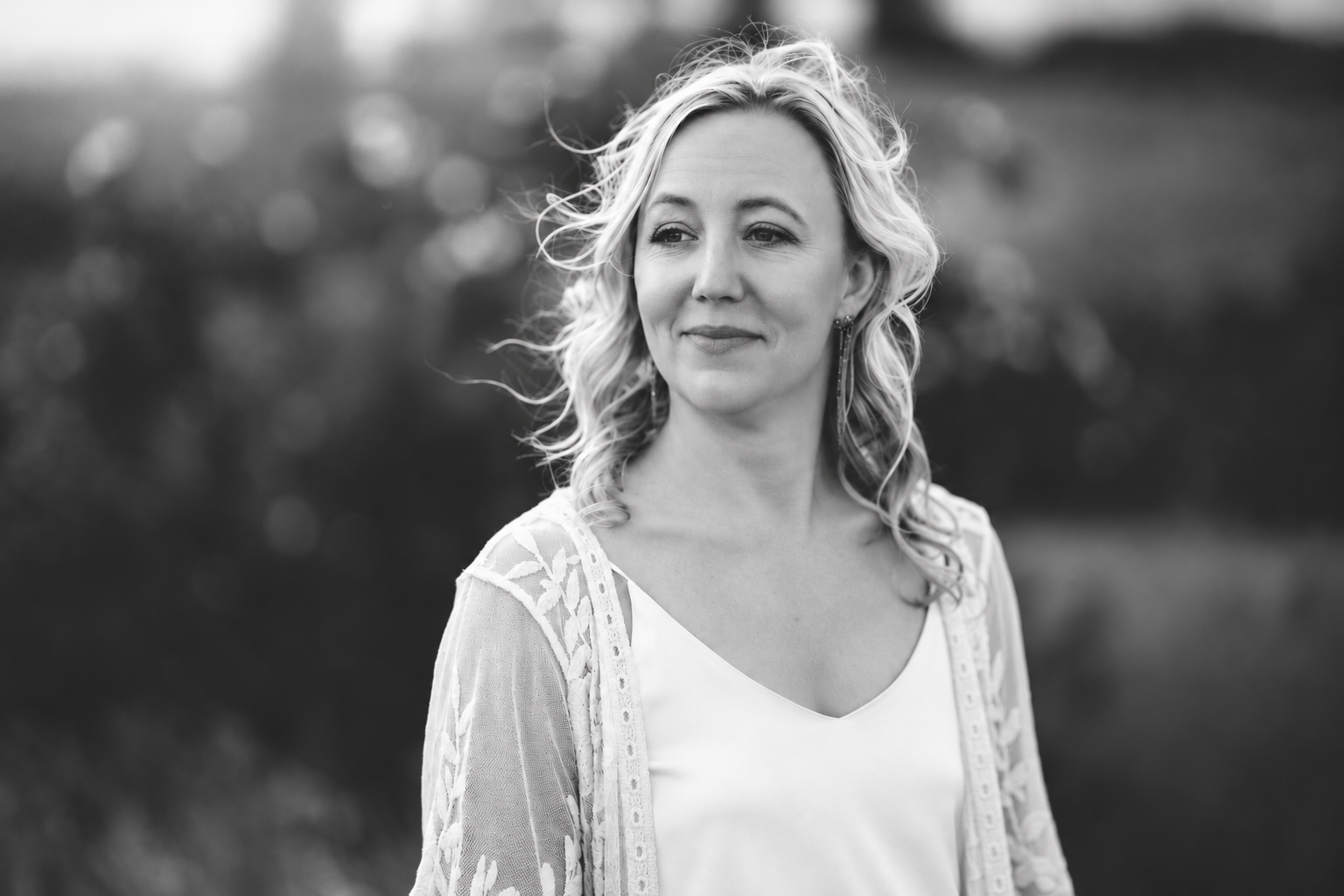
I'm Karen Bommentre, a licensed psychotherapist and the founder of Wild Gem Therapy. I'm currently pursuing my PhD in Psychology with a specialization in Somatic Psychology.
I bring over a decade of experience working with adults, adolescents, and children, and a genuine curiosity about how our experiences, relationships, and nervous systems shape the way we move through the world.
I work primarily with adults and teens, including people navigating anxiety, trauma, burnout, neurodivergence, and the exhaustion of constantly trying to meet expectations that don't quite fit.
My approach is thoughtful, collaborative, and grounded in the belief that understanding a person's experience is just as important as addressing the difficulties that brought them to therapy.
Hi, I’m Karen.
What if the goal isn't to fit in, but to feel more at home in yourself?
I've never been particularly interested in helping people become more like everyone else.
I'm more interested in understanding how someone experiences the world, what they've learned to do to get through difficult situations, and whether those ways of coping are still serving them.
Sometimes that means exploring years of masking, overthinking, or trying to meet expectations that never felt quite right. Other times, it means looking more closely at the relationship between emotions, the body, and experiences that have been carried for a long time.
The goal isn't to fit someone into a particular idea of how they should be. It's to understand what might help them feel more comfortable and connected in their own life.
My Approach
I work from a somatic, trauma-informed, and neurodivergent-affirming perspective. Our thoughts matter, but so do our bodies, nervous systems, relationships, and the experiences that have shaped us.
Therapy looks different for everyone. Some sessions might involve talking through something that's been weighing on you. Other times, we might slow down, notice what's happening in your body, or explore patterns you've been carrying for years.
My approach is collaborative and flexible. I draw on somatic psychotherapy, EMDR, and other therapeutic approaches when appropriate, always considering your needs, preferences, and pace.
I also think it's important to consider the context of someone's struggles. Difficulties with attention, emotional regulation, relationships, or daily functioning don't happen in isolation. Our environments, histories, relationships, and the expectations placed on us all matter.
There's no single formula we're trying to follow. We work together to find what makes sense for you.
Why Mental Health Advocacy Matters to Me
Mental health is something I've always cared deeply about, and that passion extends beyond the work I do in the therapy room.
I believe there's still a great deal of work to be done in how we understand, recognize, and respond to mental health concerns. Too many people spend years feeling misunderstood, blaming themselves, or receiving support that doesn't fully account for their experiences.
I'm particularly interested in the ways ADHD and other forms of neurodivergence have been overlooked or misunderstood, especially in women and girls. Greater awareness matters, but so does better education, more thoughtful assessment, and care that considers the whole person.
Continuing my education and pursuing doctoral studies are part of that commitment. I want to keep learning, questioning, and contributing to a more informed and compassionate understanding of mental health.


What Informs My Work
My clinical work draws from somatic psychology, neuroscience, trauma-informed care, and neurodivergent-affirming approaches. Depending on the individual, I may also incorporate EMDR, parts work, and other therapeutic approaches.
I'm certified in the Women-Centered ADHD Treatment (W-CAT) model, which focuses on the ways ADHD can present and affect women across different stages of life. This training has further informed my interest in the experiences of women whose ADHD may have gone unrecognized for years.
My training in Reiki has also influenced my appreciation for slowing down, paying attention, and developing a more intentional relationship with the body.
I value research, clinical experience, and continuing education. At the same time, I recognize that no amount of training can tell me everything about the person sitting across from me. Understanding each individual's experience remains central to my work.
What It’s Like to Work With Me
My style is thoughtful, curious, and collaborative. I ask questions, notice patterns, and sometimes gently offer perspectives you may not have considered before.
I don't expect you to arrive knowing exactly what you want to talk about or where to begin.
Some days we might have a lot to explore. Other days, we might need to slow down and make sense of what's happening right now.
I'm interested in what you're saying, but also in what's happening underneath it. The patterns you find yourself repeating, the feelings that are hard to explain, and the ways you've learned to protect yourself.
I don't think you need another place where you're trying to say the right thing, manage someone else's expectations, or become a better version of yourself.
You get to be a person here.
We can begin with a conversation.
If something here resonates with you, I'd be glad to connect.
I offer complimentary 15-minute consultations. It's a chance to share a little about what's bringing you to therapy, ask questions, and see whether working together feels like a good fit.